Articles Neuropsychology
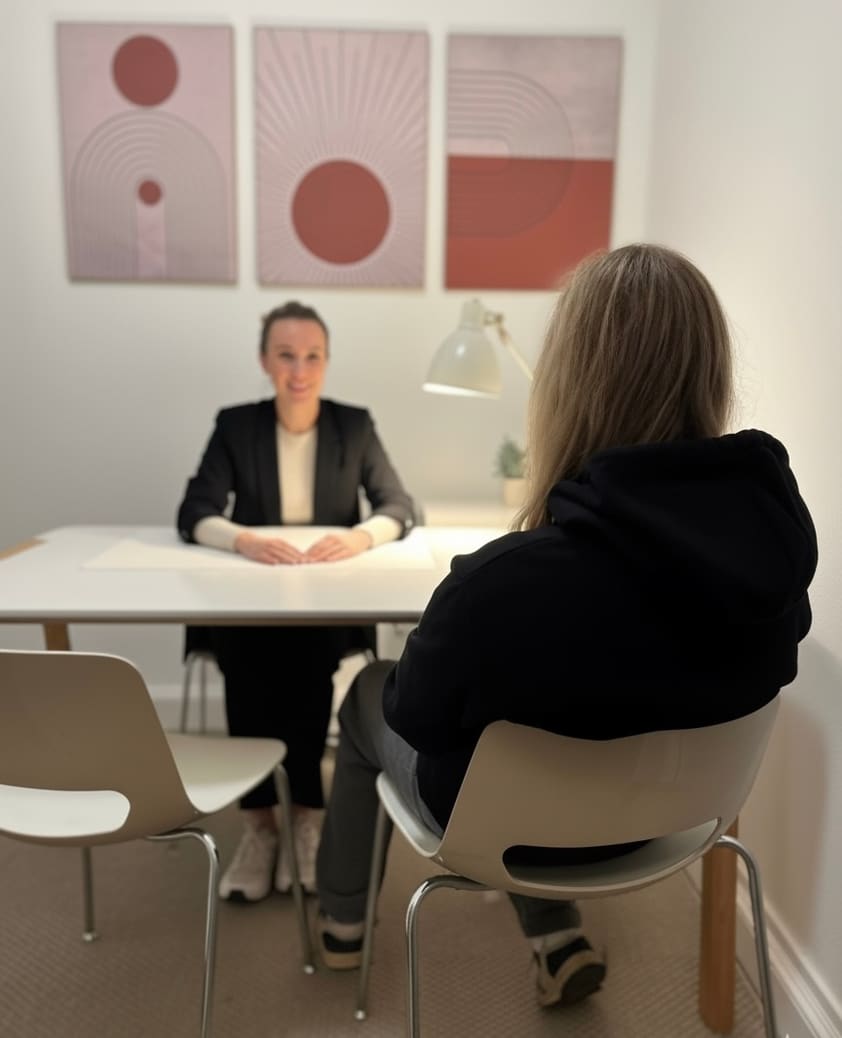
Autism assessment in Barcelona: what families should know
If you are wondering whether your child may be autistic, it helps to understand what an assessment involves, who carries it out and how language is handled when your family is not Spanish-speaking.
Asking for an autism assessment is a big step. This guide explains, in general terms, how the process works in our practice so you know what to expect.
What the assessment considers
The process includes developmental history, clinical observation and relevant information from everyday settings. Specific tools may be used when appropriate. The conclusion is based on the overall assessment, not on a single score.
Who carries it out and in which language
Lourdes Abarca Fernández provides autism assessments for children and adolescents in English and Spanish. She has training in child and adolescent neuropsychology and in tools including ADOS-2 and ADI-R.
Before the assessment, we discuss your child's language background, the language of the appointments and the purpose of the report, and we check which tools suit your child's language situation.
The feedback appointment
The process ends with a feedback appointment for the family. It explains the findings, their limitations and recommendations. With the appropriate arrangements, relevant information can be shared with schools or other professionals.
The conclusion may not be autism
The assessment has to remain open to different explanations and to the possibility of needing more information. A clinical report does not in itself imply official recognition or automatic acceptance by any institution; if you need it for a specific purpose, tell us beforehand.
How to prepare
We will tell you which information is useful. Previous reports from school or other professionals and your own observations about development are often helpful; you do not need to send them in the first contact.
Frequently asked questions
Does the ADOS-2 confirm autism on its own?
No. It is a tool that can be part of the assessment. Its interpretation is integrated with developmental history, observation and the rest of the information.
Can the assessment be done entirely online?
Whether any part can be done online is considered according to age, the assessment question and the tools required.
Which ages is it for?
The process is designed for children and adolescents. If your question concerns an adult, let us know and we will advise on suitable services.
(Keep reading)
More articles
- ADHD in teenage girls and difficulties that can go unnoticed ADHD does not look the same in everyone. Adolescents Read more
-
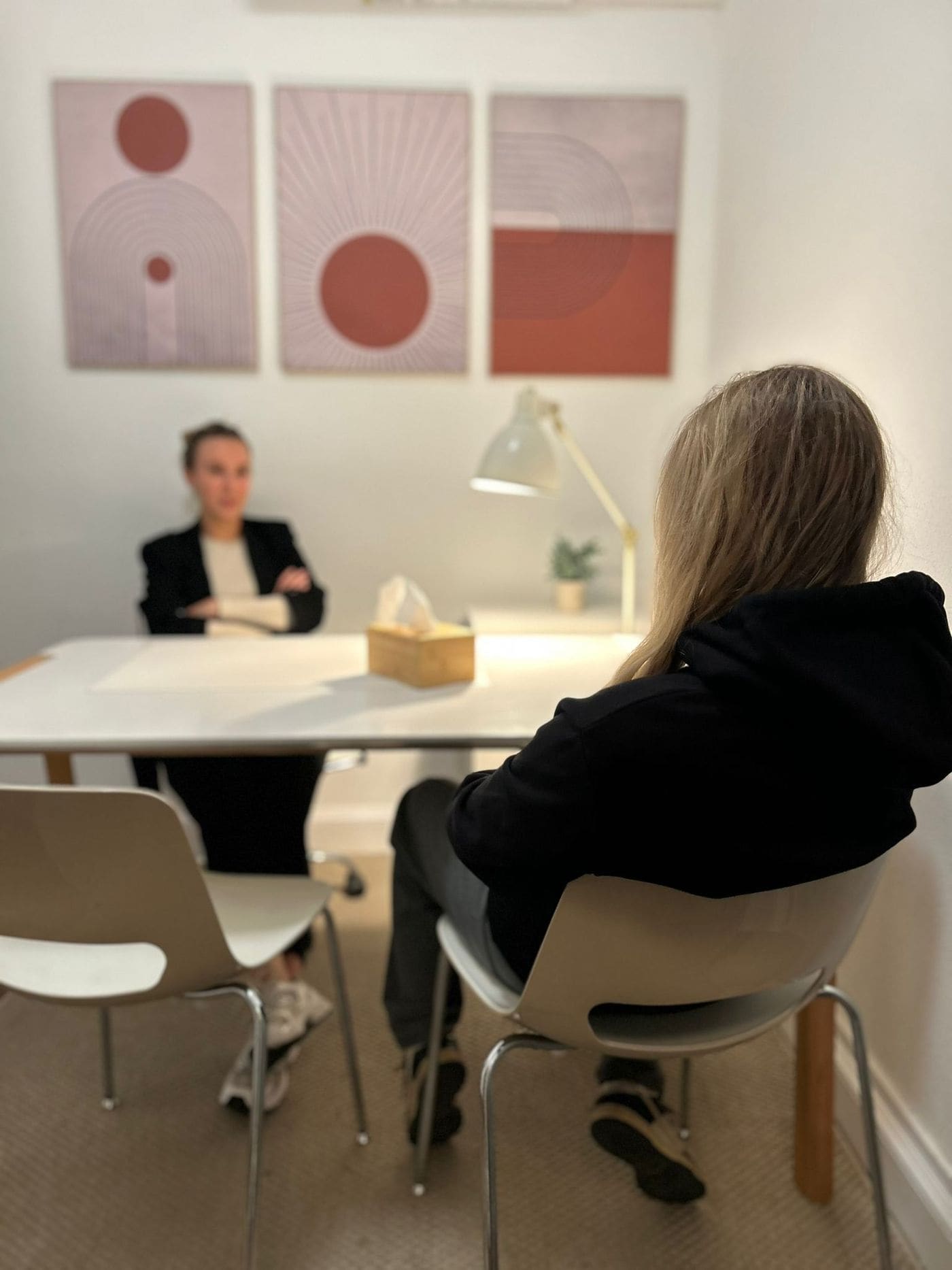 How to find an English speaking psychologist in Barcelona Finding a psychologist is hard enough in your own language. Living in Barcelona Read more
 - Therapy in English in Barcelona: what to expect If you have never had therapy in Spain, or never in English, it helps to know how the process works. Living in Barcelona Read more
(Contact)
Ask about a first appointment
What to tell us
- The reason for consulting, in a few words
- Your preferred language
- Your availability
You do not need to send reports or clinical details through these channels to ask for an appointment. Before booking, we explain the appointment format, fees and relevant conditions.
- Message us on WhatsApp +34 638 676 824
- Call +34 638 676 824
- Send an email info@alfabetapsicologia.com
- Via Augusta, 42, mezzanine floor, door 3 · 08006 Barcelona · Where we are
AlfaBeta provides outpatient care. If a situation needs more intensive care, we can advise on appropriate services. The practice does not provide an emergency service.