Services · Children
Child psychology in Barcelona
During childhood, difficulties may appear with managing emotions, relating to others, adapting to change or coping with everyday situations. At AlfaBeta we look at what is happening and what support the child needs, working with their family.
- Via Augusta, 42 · close to Gràcia
- In person, and online when appropriate
- Spanish, Catalan and English depending on the professional
(When to consult)
Reasons for consulting
You can contact us about fears and anxiety, persistent changes in mood or behaviour, difficulties at home, problems in relationships, adapting to family or school changes, and conflicts related to screens. How important a difficulty is depends on its intensity, how it develops and how it affects daily life.
When the concern is about learning, attention, language or development, we consider whether a specific assessment is advisable. Child therapy and neuropsychological assessment answer different questions and can complement each other. If the question is about possible autism, we have a specific assessment process with Lourdes Abarca Fernández.
Study support is an educational resource for working on habits, organisation and independence with schoolwork.
(How we work)
How we work with the child and their family
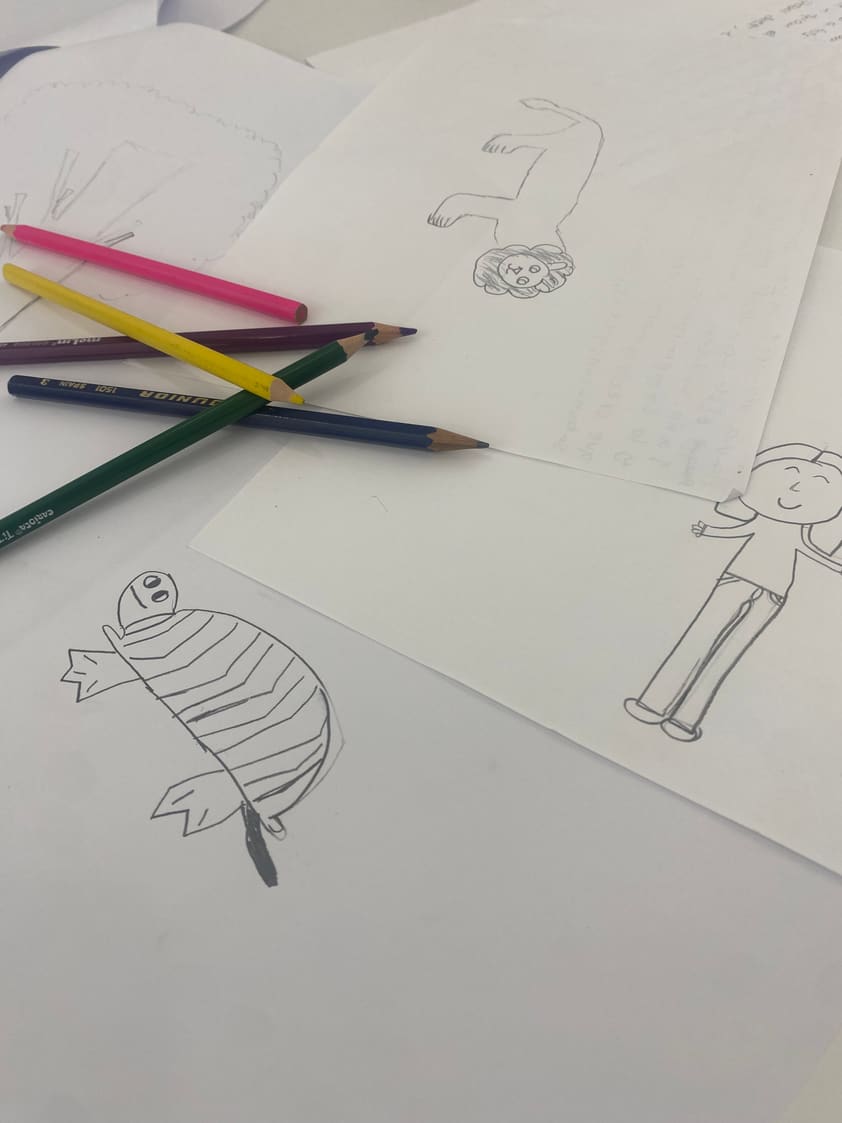
We usually begin with an interview with the parents or carers to understand the reason for consulting, the child's development and the context.
We agree how to involve the child and what other sources of information may be useful. Exploration and later work are adapted to the child's age and situation; not every consultation needs the same tests or the same number of sessions.
We share with the family an understanding of the difficulties and a proposal for the work. When appropriate, we can coordinate guidance with the school or other professionals, with the necessary safeguards.
(Format)
In-person and online appointments
Direct work with young children and certain assessments require in-person appointments.
Some parent guidance sessions can take place online if the conditions are suitable. The format is agreed after considering the situation.
(Team)
Professionals and next steps
-
 Alexia Olaria Pariente Psicóloga General Sanitaria · Psychotherapist Psychotherapy with children, adolescents and families COPC 23824
 -
 Albert Sanz Iglesias Psicólogo General Sanitario · Psychotherapist Work with children, adolescents and adults COPC 19941
 -
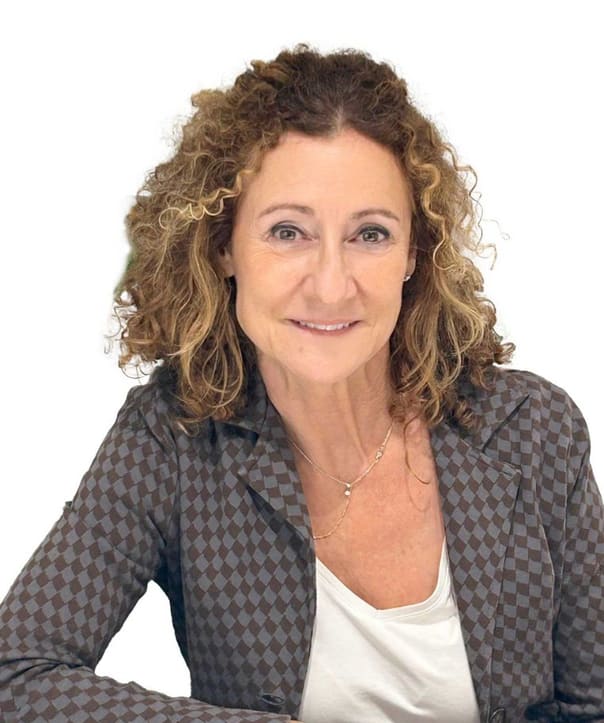 Roser Fernández Olaria Neuropsychologist · Psicóloga General Sanitaria Cognitive and learning assessment COPC 6278
 -
 Lourdes Abarca Fernández Neuropsychologist Autism assessment COPC 36599
Frequently asked questions
Is a diagnosis needed before consulting?
No. We can start by understanding the difficulty and considering what kind of support is appropriate.
How long does the process take?
It depends on the reason for consulting, the goals and how things develop. Frequency and reviews are agreed with the family.
How do we know whether it needs attention?
What matters is how intense the difficulty is, how it evolves and how much it affects daily life at home, at school or with other children. If you are unsure, you can consult and we can decide together whether support is needed.
Does our child need to come to the first appointment?
We usually begin with an interview with parents or carers to understand the concern, the child’s development and the context. We then agree how and when to involve the child.
How do we explain to our child that they are seeing a psychologist?
In simple words suited to their age, and never as a punishment: it is a place to understand what is happening and to help. In the first interview we can think with you about how to put it.
Therapy or a neuropsychological assessment?
They answer different questions and can complement each other. If the concern is about learning, attention, language or development, we consider whether a specific assessment is advisable; if it is about possible autism, there is a dedicated assessment process.
Do you coordinate with the school?
When it is relevant, we coordinate care with the family, the school or other professionals, such as psychiatry or medicine. We agree what information is needed and how to share it, respecting confidentiality and the applicable requirements.
Can it be done online?
Direct work with young children and some assessments require in-person appointments. Some guidance sessions with parents or carers can take place online if the conditions are suitable.
(Contact)
Ask about a first child appointment
What to tell us
- The reason for consulting, in a few words
- Your preferred language
- Your availability
You do not need to send reports or clinical details through these channels to ask for an appointment. Before booking, we explain the appointment format, fees and relevant conditions.
- Message us on WhatsApp +34 638 676 824
- Call +34 638 676 824
- Send an email info@alfabetapsicologia.com
- Via Augusta, 42, mezzanine floor, door 3 · 08006 Barcelona · Where we are
AlfaBeta provides outpatient care. If a situation needs more intensive care, we can advise on appropriate services. The practice does not provide an emergency service.