Services · Neuropsychology
Neuropsychology in Barcelona
Neuropsychology helps to understand how abilities such as attention, memory, language and organisation work, and how they relate to everyday life. At AlfaBeta we offer assessment and intervention adapted to age and to the reason for consulting.
- Format
- In person, and online when appropriate
- Languages
- Spanish, Catalan and English depending on the professional

(Where to start)
What do you need assessed?
- Children and adolescents
- Learning, attention or developmental difficulties that need a specific assessment.
- Adults
- Difficulties with attention or organisation, memory complaints or cognitive changes in different contexts.
- Autism
- Assessment in childhood and adolescence with Lourdes Abarca Fernández, available in English and Spanish.
- Cognitive intervention
- Goals and strategies for everyday functioning when an assessment shows this need.
(What it is)
What neuropsychology is and when it can help
Neuropsychology looks at how abilities such as attention, memory, language, planning and learning work, and how they affect daily life: at school, at work and at home.
A neuropsychologist does not replace the psychologist who supports emotional distress: they answer a specific question about how a person functions and which supports may help.
It can be useful when there are persistent difficulties with learning, attention or organisation, when changes in memory are noticed, when there are questions about development or when another professional suggests assessing cognitive functioning. Not every consultation needs an assessment: the first conversation helps decide.
(Who it is for)
Neuropsychology in Barcelona for children, adolescents and adults
At AlfaBeta, on Via Augusta, close to Gràcia, we see neuropsychology consultations at different stages of life.
In childhood and adolescence, a child neuropsychological assessment helps understand difficulties with learning, attention, language or development. In adulthood, an adult neuropsychological assessment explores memory, attention and executive functions.
If the question is about possible autism in a child or adolescent, there is a specific process: the autism assessment, in English and Spanish.
(How we work)
Bringing information together so it is useful
A single score does not explain on its own what is happening to a person.
We relate the interview, the selected tests and relevant information from everyday settings. In the feedback appointment we explain the conclusions, their limits and the recommendations. When appropriate, we coordinate next steps with other professionals.
- The interview
- The selected tests
- Relevant information from everyday settings
The feedback appointment
Conclusions, their limits and recommendations
(Team)
Team and languages
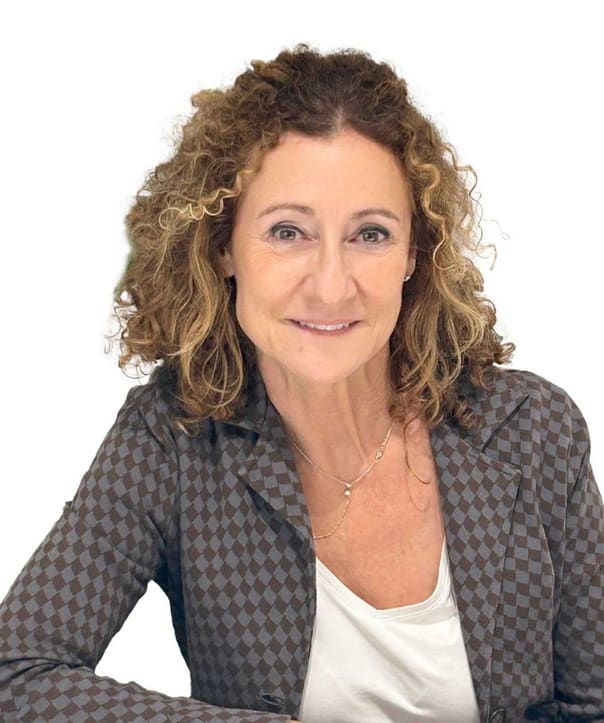
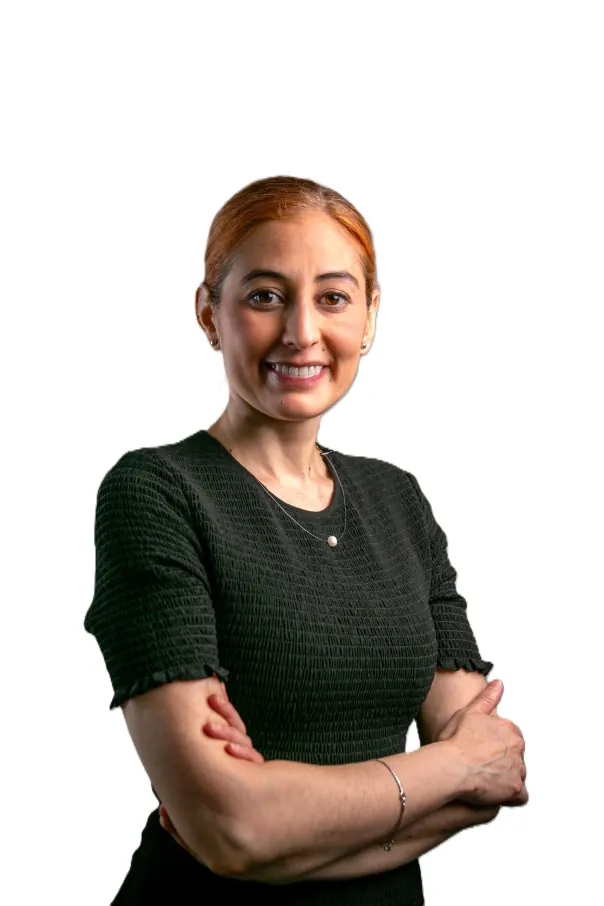
Roser Fernández Olaria holds a PhD in Psychology and a Master’s in Neuropsychology; she works in child and adult assessment and cognitive intervention. Lourdes Abarca Fernández is trained in child and adolescent neuropsychology and in ADOS-2 and ADI-R, and carries out autism assessments. You can read their full training and experience in their profiles: Roser and Lourdes.
Before starting an assessment, we confirm the language of the interviews, the suitability of the tests and the language of the report. Translating a test does not automatically make it valid for every person.
(The process)
What a neuropsychological assessment involves
- 01
Interview
We learn about the reason for consulting, the history and the context.
- 02
Assessment
We select the tools and information that answer the question.
- 03
Integration
We relate the results to everyday life.
- 04
Feedback and report
We explain the conclusions, their limits and the recommendations.
Frequently asked questions
What does a neuropsychologist do?
They assess how abilities such as attention, memory, language or organisation work and relate them to everyday life, in order to understand difficulties and guide support or intervention.
When is it worth consulting neuropsychology?
When there are persistent difficulties with learning, attention, memory or organisation that affect daily life, or when another professional suggests assessing cognitive functioning. You do not need a previous diagnosis to consult.
Do I need a medical referral?
Not necessarily. You can contact us to explain your situation; we will tell you what information would be useful and whether medical assessment or coordination is advisable.
Is an assessment just a test?
No. Tools are selected according to the clinical question and interpreted together with history, context and everyday functioning.
Does it always lead to a diagnosis?
Not necessarily. It can help describe strengths and difficulties, guide support or show that further assessment is needed. The conclusions depend on the information available.
Which functions are explored?
Depending on the question: attention, memory, language, executive functions —planning, organising, regulating behaviour— and other relevant abilities. There is no identical package for everyone.
Do you assess both children and adults?
Yes. There is a child neuropsychological assessment, an adult one, and a dedicated autism assessment for children and adolescents. We can advise on which applies.
Will I receive a report?
After the assessment we explain the conclusions, their limits and the recommendations in a feedback session. The report sets out the question assessed, the procedures, the relevant results and their interpretation.
In which language is the assessment carried out?
Before starting we confirm the language of the interviews, whether the tests are suitable and the language of the report. A translated test is not automatically valid for everyone.
How much does it cost?
It depends on the question and the tests needed. After the first interview we explain the proposed sessions, report and feedback, together with the fee, before anything starts.
(Contact)
Ask about an assessment
What to tell us
- The reason for consulting, in a few words
- Your preferred language
- Your availability
You do not need to send reports or clinical details through these channels to ask for an appointment. Before booking, we explain the appointment format, fees and relevant conditions.
- Message us on WhatsApp +34 638 676 824
- Call +34 638 676 824
- Send an email info@alfabetapsicologia.com
- Via Augusta, 42, mezzanine floor, door 3 · 08006 Barcelona · Where we are
AlfaBeta provides outpatient care. If a situation needs more intensive care, we can advise on appropriate services. The practice does not provide an emergency service.